Freedom Movement Movement Movement

Colonial expansion and its impact on land

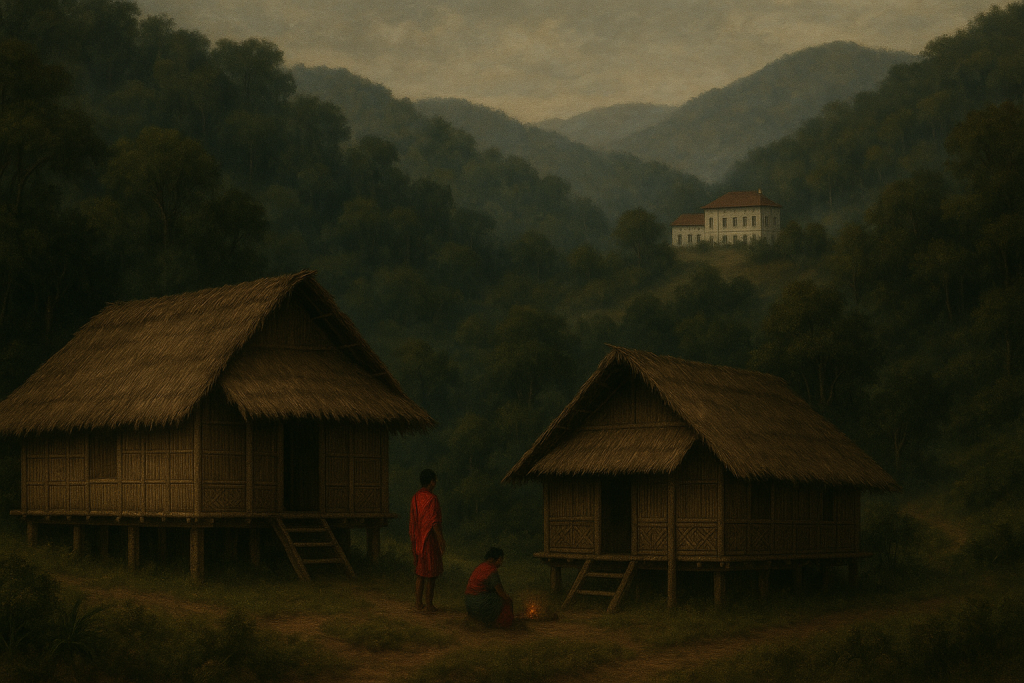
British Rule in the Garo Hills

During the period of British expansion into the Garo Hills, colonial administration sought to impose external systems of governance, taxation, and land control upon deeply rooted tribal societies. These changes disrupted traditional leadership structures and communal land practices that had sustained the Garo people for generations. Forest regulations and administrative boundaries limited customary rights, creating social and economic strain within villages. Missionary influence and colonial law further altered cultural and political dynamics, often undermining indigenous authority. For the Garo community, British rule was not merely a political shift but a challenge to autonomy, identity, and self-determination. This colonial context shaped an atmosphere of resistance and adaptation, deeply influencing emerging tribal leaders who sought to protect their people, land, and cultural continuity.

The moment unity transformed into organized resistance and collective action

Collective Awakening

Growing colonial pressure awakened a shared resolve among Garo communities to protect land and identity.

Leadership Mobilization

Respected tribal leaders emerged, organizing discussions and guiding communities toward coordinated.

Community Networks

Villages strengthened communication and trust, creating networks that supported unity and collective.

Cultural Defense

Resistance became a means to preserve traditions, autonomy, and ancestral values against external control.

Tactics, guidance, and unity that strengthened the Garo resistance.

Strategies, leadership style, and community mobilization

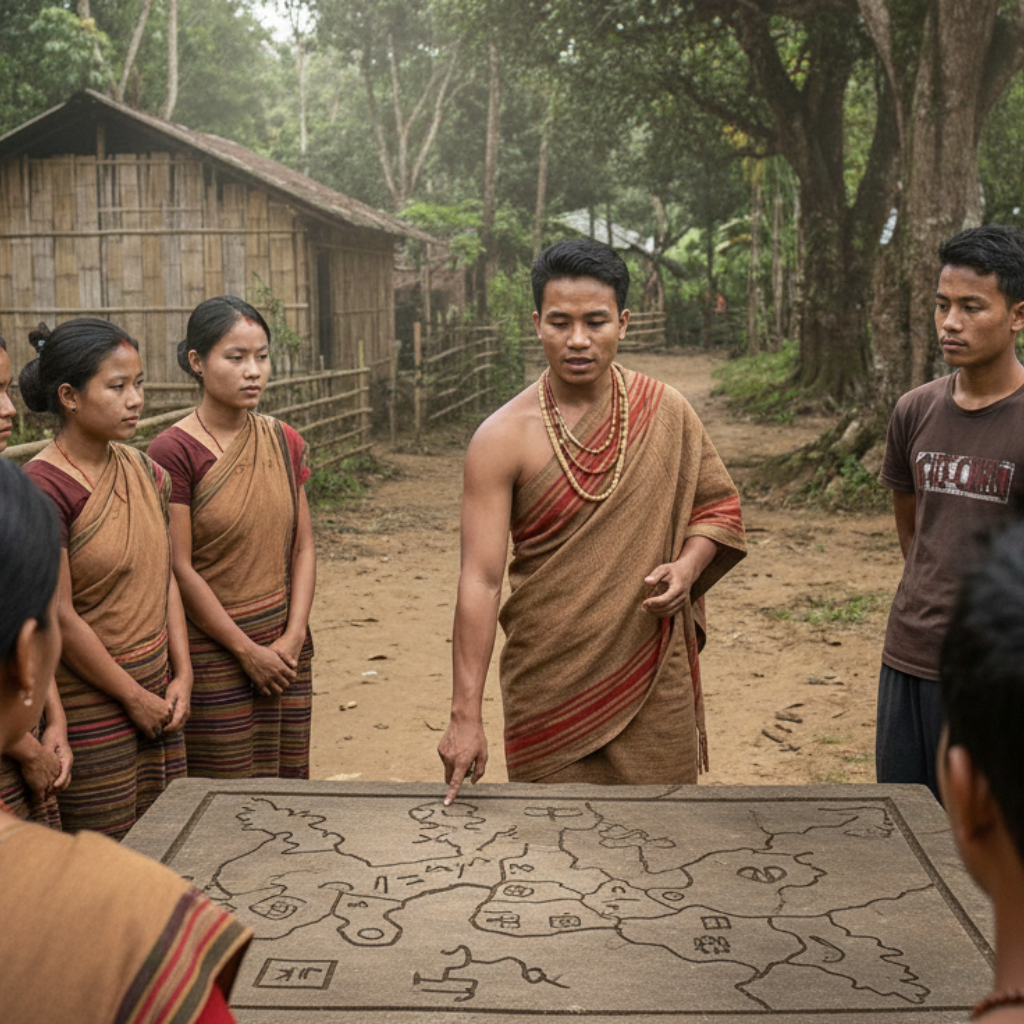
Strategic Planning

Pa Togan Sangma emphasized careful strategy, studying terrain, timing, and resources. Every action was deliberate, minimizing risk while maximizing community protection, ensuring that resistance efforts remained organized, effective, and sustainable without unnecessary conflict or loss of life.

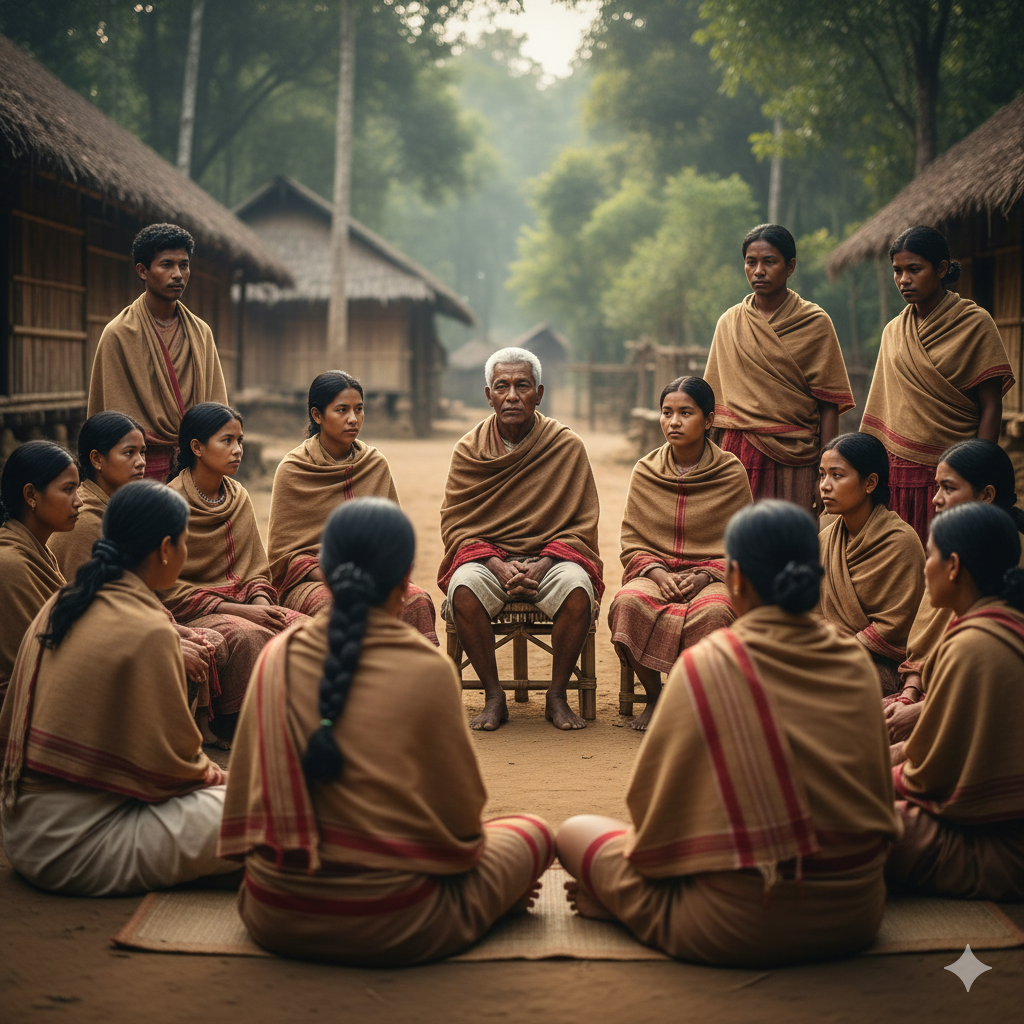
Inclusive Leadership

His leadership combined guidance, empathy, and respect. He listened to elders, empowered youth, and fostered collaboration, ensuring every community voice was valued. This inclusive approach built trust, loyalty, and unity, strengthening resilience against external pressures.

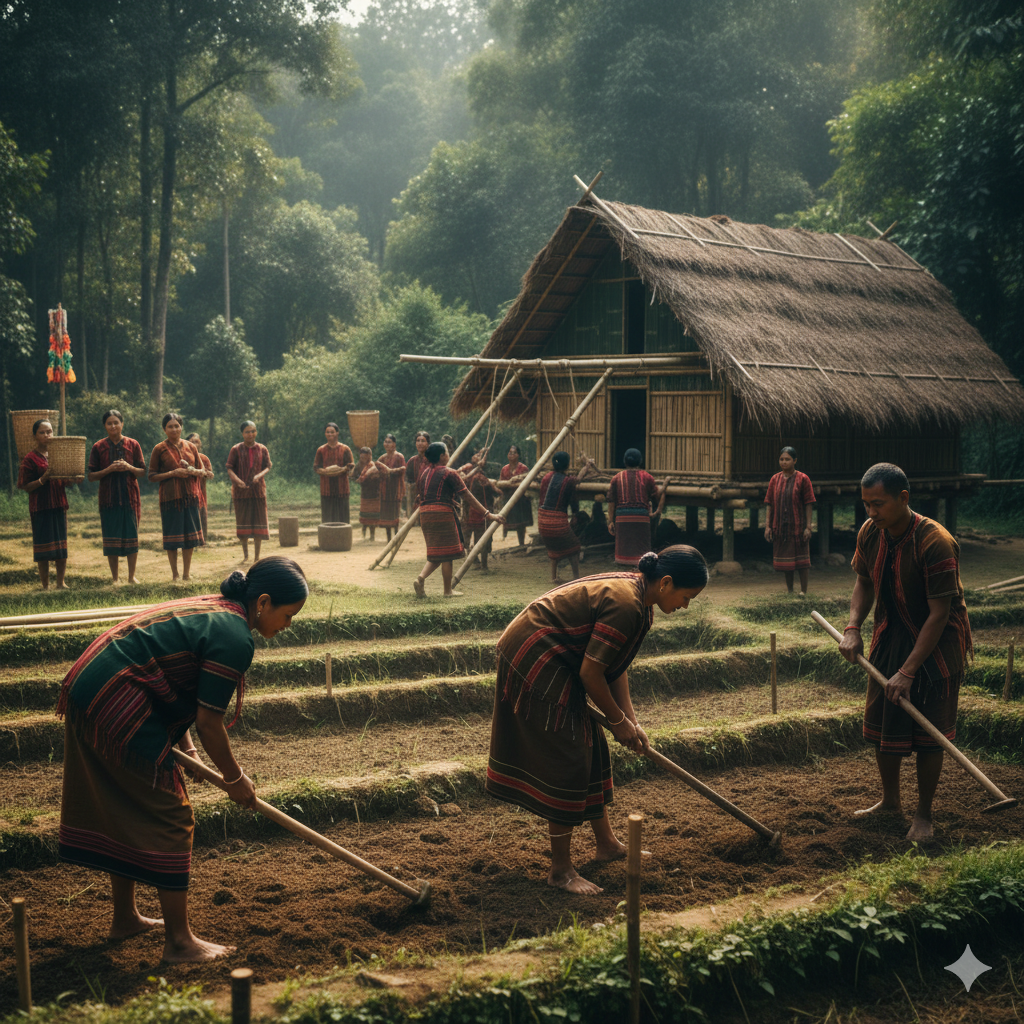
Community Mobilization

Pa Togan Sangma encouraged collective action, organizing gatherings, cultural events, and cooperative tasks. His ability to inspire participation and shared responsibility ensured that the community acted as one, prepared to defend land, traditions, and values.

Critical moments that paved the way for tribal resistance at Rongrenggre

Key events leading to the Rongrenggre Battle

Colonial Encroachment

British administrative control expanded into Garo Hills, disrupting traditional land rights and undermining local authority.

Restrictions on Customs

Imposition of new regulations limited traditional practices, rituals, and communal decision-making, fueling tribal dissatisfaction and unrest.

Early Acts of Defiance

Minor protests and refusals to comply with colonial rules marked the community’s growing determination to protect land and culture.

Scroll to Top

Colonial Encroachment

The arrival of British administrative control in the Garo Hills disrupted centuries-old tribal systems. Colonial officials sought to map, tax, and govern lands according to external rules, often ignoring customary rights and local leadership structures. Traditional village autonomy was curtailed, and decisions previously made by elders and community councils were overridden by distant authority. This interference created tension, as the Garo people viewed land not just as property but as an ancestral and spiritual inheritance. Encroachment threatened livelihoods, traditions, and social cohesion, fostering resentment among villagers. Pa Togan Sangma and other emerging leaders recognized the urgent need to defend tribal autonomy and cultural identity.

Restrictions on Customs

British regulations imposed limitations on Garo rituals, festivals, and cultural practices, undermining centuries of tradition. Ceremonial activities, seasonal gatherings, and governance rituals faced bureaucratic oversight, which alienated villagers from their own cultural expressions. These restrictions were perceived as an attack on communal identity, threatening the social fabric that bound villages together. Children, elders, and youth alike felt the impact as daily life and communal harmony were disrupted. For tribal leaders like Pa Togan Sangma, preserving cultural integrity became as critical as defending land. The community began to see organized action as necessary to maintain heritage, respect, and ancestral practices.

Early Acts of Defiance

Small-scale resistance emerged as the Garo people quietly opposed colonial demands, refusing taxes, questioning officials, and maintaining traditional governance despite oversight. These acts were often subtle yet significant, signaling communal discontent and a collective desire to protect autonomy. Villagers observed ethical codes and discipline while asserting their rights, ensuring defiance did not escalate unnecessarily into violence. Pa Togan Sangma supported and guided these actions, fostering unity and resilience. These early demonstrations of courage and organized resistance built momentum within the community, laying the groundwork for coordinated leadership and strategic planning that would later culminate in the decisive confrontation at Rongrenggre.