
Legacy & Honour Honour Honour
- Home
- Legacy
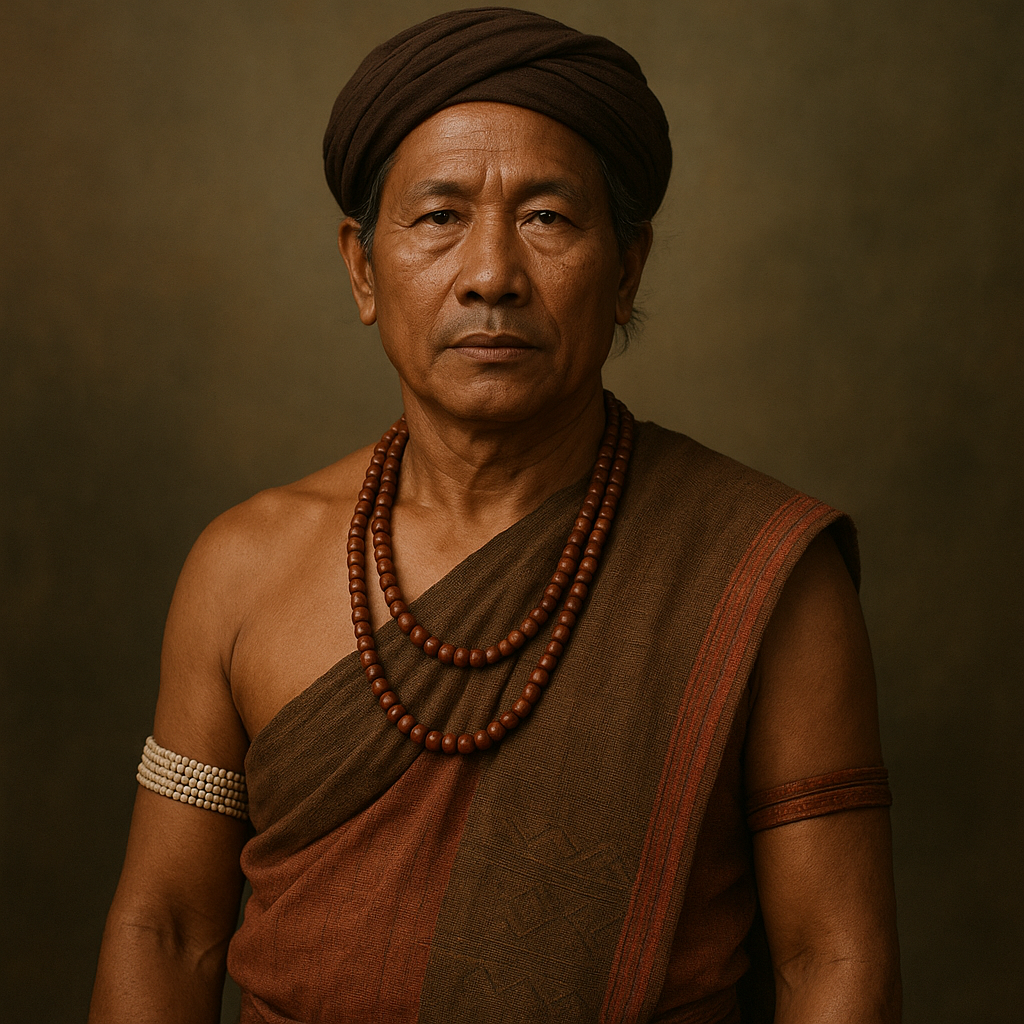
Honoring a legacy preserved through memory, respect, and collective pride.
Recognition by the People of Meghalaya
Pa Togan Sangma is remembered across Meghalaya as a symbol of courage, resistance, and tribal dignity. Among the Garo people and other communities, his name lives on through oral histories, folk narratives, and collective remembrance passed down through generations. Elders recount his leadership as an example of integrity and selfless service, while cultural gatherings and discussions continue to honor his role in defending land and identity. Though formal records may be limited, public memory remains strong, reflecting the deep respect held for his sacrifice and vision. For the people of Meghalaya, Pa Togan Sangma represents more than a historical figure—he embodies the enduring spirit of resistance, unity, and cultural pride that continues to shape regional identity.
Folk Memory & Oral Traditions
Pa Togan Sangma is remembered through oral histories, songs, and stories passed down within Garo communities.
Symbol of Tribal Pride
He is regarded as a symbol of courage, resistance, and the defense of Garo land and identity.
Community Commemorations
Local gatherings, discussions, and cultural programs honor his role in resisting colonial domination.

Honoring a legacy through memorials, tributes, and public remembrance.
Government Memorials and Annual Commemorations

Memorial Sites
Government-recognized memorial sites honor Pa Togan Sangma’s sacrifice and preserve historical memory for future generations.

Remembrance
Commemorative gatherings are held annually to remember his leadership, courage, and contribution to tribal resistance.
Cultural Tribute
Government-supported cultural programs showcase traditional music, rituals, and narratives celebrating his enduring legacy.

Educational Recognition
His role in history is acknowledged through educational initiatives, exhibitions, and awareness programs across Meghalaya.

Public Ceremonies
Official ceremonies bring together leaders, citizens, and tribal communities to honor his historical significance.

Heritage
Government efforts ensure preservation of sites, records, and oral histories linked to Pa Togan Sangma.
A legacy that strengthened self-determination, cultural confidence, and collective tribal consciousness.
Influence on Tribal Rights, Identity, and Indigenous Pride
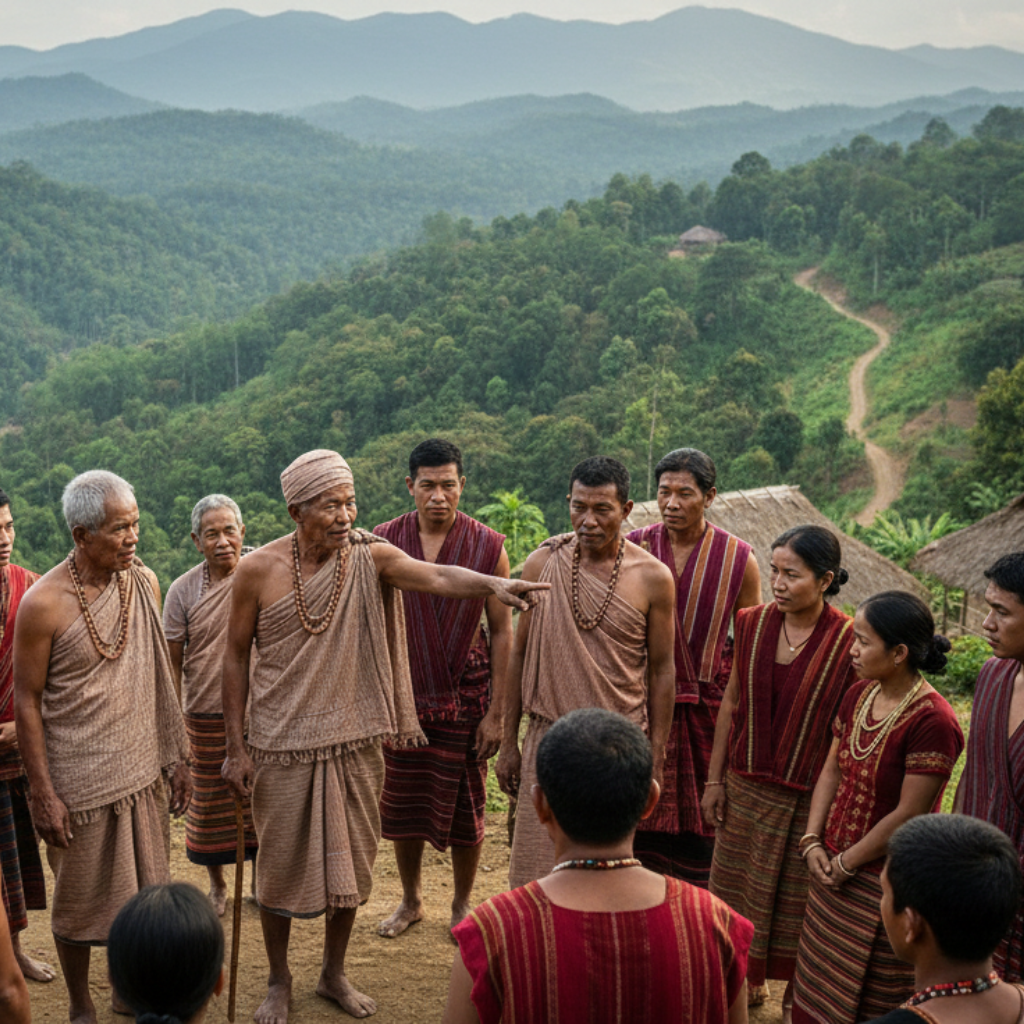
Strengthening Tribal Rights
Pa Togan Sangma’s resistance highlighted the importance of defending tribal land rights and self-governance. His leadership made communities more aware of their customary rights, encouraging collective action against external control. This awareness laid the foundation for later movements advocating legal recognition and protection of indigenous rights.

Reinforcing Tribal Identity
The uprising reinforced a shared Garo identity rooted in culture, ancestry, and collective memory. Stories of resistance strengthened pride in language, traditions, and rituals. Pa Togan Sangma became a symbol through which tribal identity was preserved, remembered, and passed on to younger generations.

Pride Across Generations
Pa Togan Sangma’s legacy continues to inspire indigenous pride beyond his lifetime. His courage represents self-respect and resistance against injustice, motivating younger generations to value their heritage. This pride fosters confidence, cultural continuity, and a stronger voice for indigenous communities in modern society.
How history, scholarship, and cultural institutions preserve the legacy of Pa Togan Sangma.
Mentions in Literature, Museums, and Academic Studies
Representation in Historical and Tribal Literature
Pa Togan Sangma is frequently referenced in tribal histories, regional writings, and oral literature that document the resistance movements of the Garo people. These literary sources—ranging from folk narratives to written regional histories—portray him as a symbol of courage, leadership, and moral responsibility. Tribal storytellers and historians have preserved accounts of his life through songs, narratives, and community chronicles, ensuring that his role is passed across generations. In modern times, researchers and writers focusing on Northeast Indian history have incorporated these narratives into broader discussions on colonial resistance. Literature emphasizes not only the battles but also his ethical leadership, cultural grounding, and commitment to communal welfare. Through these written and oral traditions, Pa Togan Sangma’s legacy continues to shape collective memory and reinforce tribal identity within and beyond the Garo community.
Presence in Museums and Cultural Exhibitions
Museums and cultural centers in Meghalaya and surrounding regions have played an important role in preserving the memory of Pa Togan Sangma. Exhibits highlighting tribal resistance, indigenous governance, and colonial-era conflicts often include references to his leadership and the Rongrenggre uprising. Artifacts, archival photographs, maps, and interpretive panels provide historical context, helping visitors understand the social and political environment of the Garo Hills during his time. These institutions present his story not as isolated heroism but as part of a broader collective struggle for autonomy and dignity. Cultural exhibitions also emphasize traditional attire, weapons, and symbols associated with the period, reinforcing the connection between history and heritage. Through curated displays, museums ensure that Pa Togan Sangma’s contribution remains visible, educational, and accessible to future generations.
Academic Research and Scholarly Recognition
Pa Togan Sangma’s role in tribal resistance has attracted attention from historians, anthropologists, and scholars studying colonial interactions with indigenous communities. Academic research often situates his leadership within broader frameworks of tribal governance, resistance strategies, and cultural resilience. Scholarly papers, theses, and regional studies examine the Garo uprising as an example of organized indigenous response to colonial authority. Researchers highlight the strategic planning, ethical codes, and communal participation that defined the movement. His leadership is frequently discussed in academic discourse on indigenous rights, self-determination, and cultural preservation. By including Pa Togan Sangma in serious academic study, scholars validate the historical significance of tribal movements and ensure that indigenous perspectives are recognized within mainstream historical narratives.