
Biography Biography Biography
- Home
- Biography
Born into the land, raised by culture, and forged by ancestral values
Early life
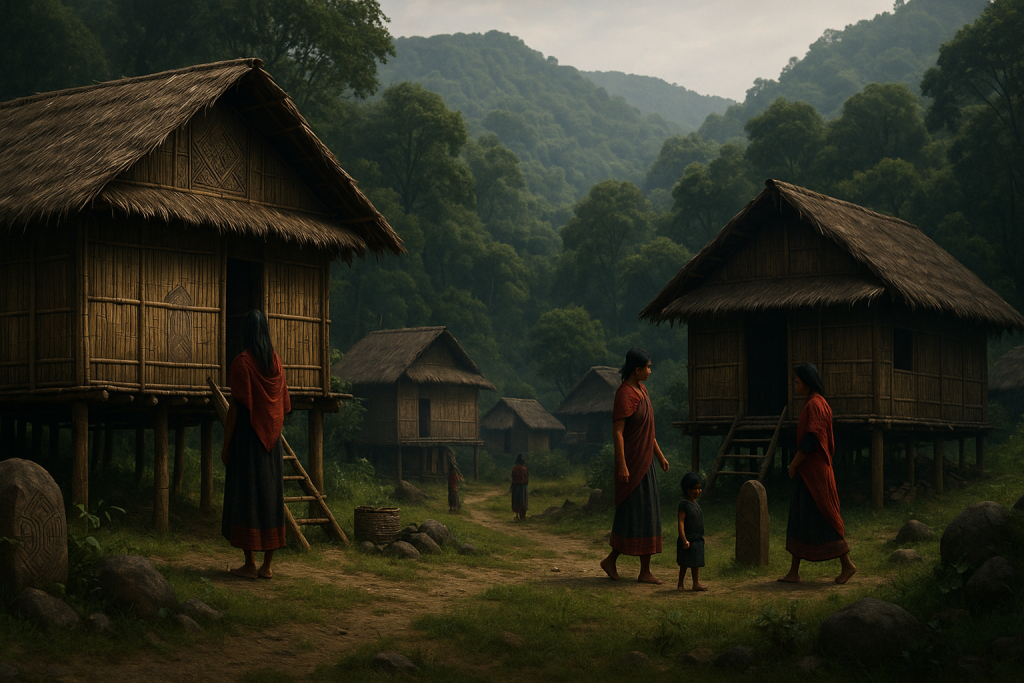
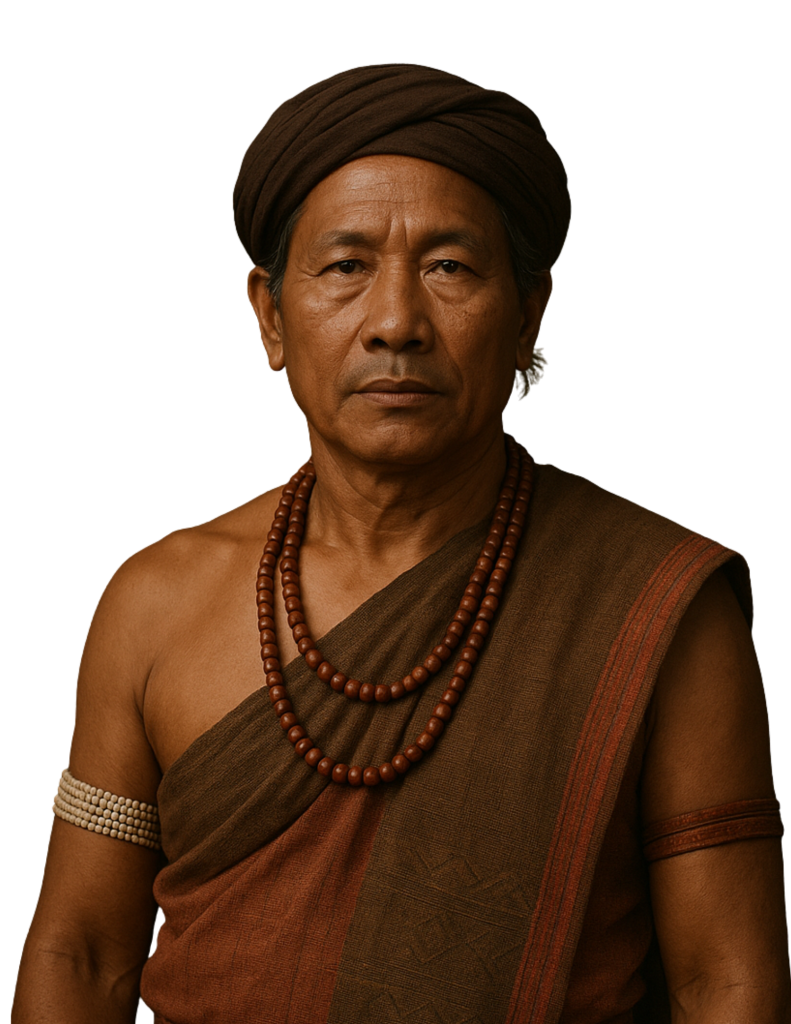
Pa Togan Sangma was born into a traditional Garo tribal family deeply connected to the land, forests, and ancestral customs of the Garo Hills region. His early environment was shaped by nature—rolling hills, dense forests, and close-knit village life—where community bonds and respect for elders played a central role. From a young age, he was exposed to oral traditions, folk stories, and ancestral teachings that emphasized courage, honesty, and responsibility toward one’s people. These early influences grounded him in a strong sense of identity and belonging. The values instilled during his childhood laid the foundation for his later leadership, nurturing a deep emotional connection to his homeland and a lifelong commitment to protecting tribal dignity and self-respect.
Growing up within a closely bonded tribal community, Pa Togan Sangma experienced a childhood centered on cooperation, shared labor, and cultural rituals. Daily life involved farming, forest gathering, village gatherings, and seasonal festivals that strengthened unity among clan members. Elders played an important role in guiding the younger generation, passing down wisdom about social responsibility, courage, and respect for tradition. Pa Togan Sangma observed these practices closely, learning the importance of collective strength over individual gain. His participation in community activities helped shape his leadership instincts early on. This upbringing fostered empathy, discipline, and a strong moral compass, reinforcing the belief that true leadership comes from serving the people and standing firmly with one’s community in both peace and hardship.
Pa Togan Sangma’s early education was deeply rooted in traditional knowledge rather than formal institutions. He learned through observation, storytelling, and participation in cultural practices that shaped the moral fabric of tribal society. Songs, rituals, and folklore taught lessons of bravery, loyalty, and justice, while everyday activities reinforced discipline and resilience. Traditional values such as protecting ancestral land, honoring commitments, and safeguarding community harmony were emphasized from a young age. These teachings helped him develop clarity of purpose and a strong ethical foundation. Over time, this cultural education became a guiding force in his life, influencing how he viewed leadership—not as authority over others, but as a duty to preserve heritage, unity, and the dignity of his people.
Even in his early years, Pa Togan Sangma displayed qualities that set him apart within his community. He showed confidence, attentiveness, and a natural ability to bring people together, often taking responsibility during group activities and village tasks. His willingness to listen and act fairly earned him respect among peers and elders alike. These early signs of leadership were not aggressive but rooted in empathy and responsibility. He learned to mediate, support, and guide others through example rather than force. Such experiences strengthened his understanding of collective welfare and prepared him for greater responsibilities later in life. His early leadership was shaped by service, cultural awareness, and an unshakable commitment to the well-being of his people.
Childhood
Even in his early years, Pa Togan Sangma displayed qualities that set him apart within his community. He showed confidence, attentiveness, and a natural ability to bring people together, often taking responsibility during group activities and village tasks. His willingness to listen and act fairly earned him respect among peers and elders alike. These early signs of leadership were not aggressive but rooted in empathy and responsibility. He learned to mediate, support, and guide others through example rather than force. Such experiences strengthened his understanding of collective welfare and prepared him for greater responsibilities later in life. His early leadership was shaped by service, cultural awareness, and an unshakable commitment to the well-being of his people.
Where family heritage and collective identity formed a future leader.
Family & community background
Ancestral Family Lineage
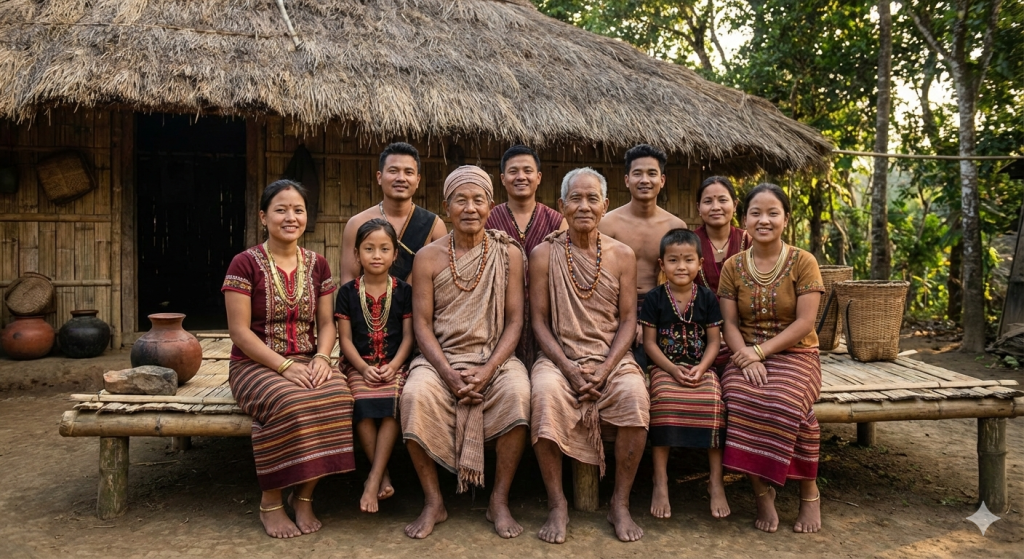
Pa Togan Sangma was born into a respected Garo tribal family where ancestry, honor, and responsibility guided everyday life. Family elders preserved traditions through stories and rituals, shaping his understanding of identity, duty, and respect. These roots provided the moral foundation that later defined his leadership.
Strength of Community
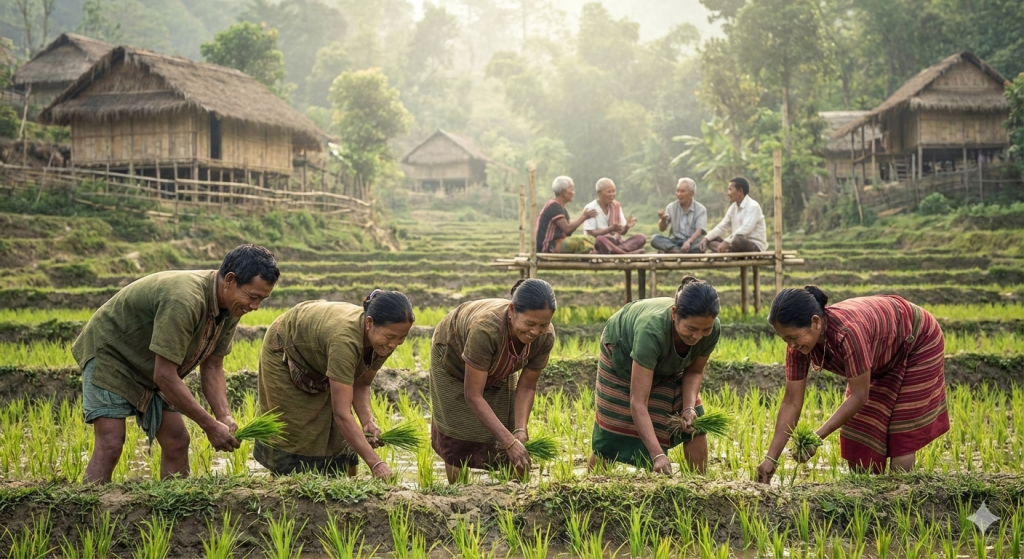
The community played a vital role in Pa Togan Sangma’s upbringing. Collective decision-making, shared labor, and mutual care reinforced unity and trust. Growing within this environment taught him that strength comes from standing together, a belief that later shaped his role as a unifying leader.
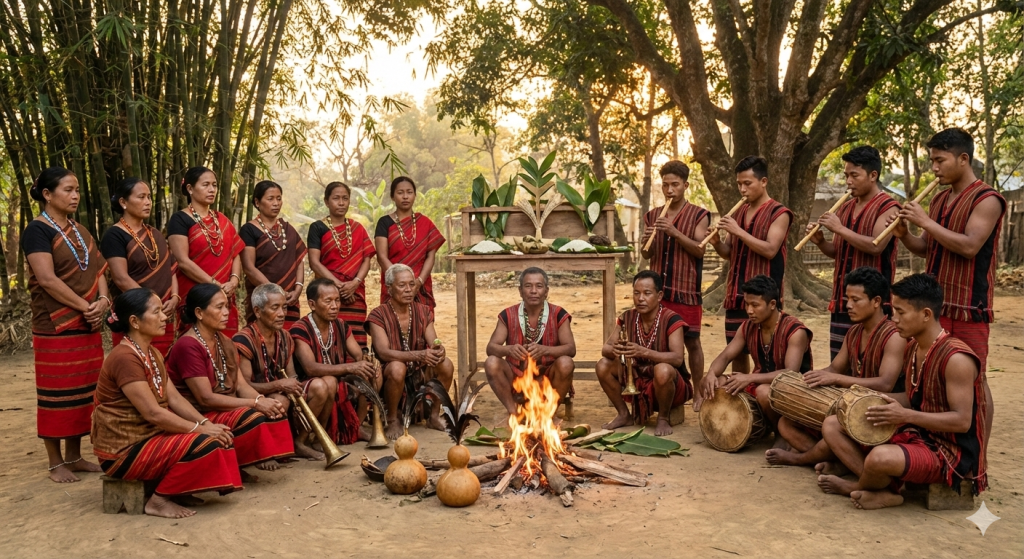
Cultural Traditions
Cultural practices deeply influenced Pa Togan Sangma’s early worldview. Festivals, rituals, and oral traditions instilled values of courage, discipline, and respect for land and people. These traditions were not symbolic alone—they guided behavior, strengthened identity, and nurtured leadership grounded in service.
A young voice that united tradition, courage, and responsibility.
Rise as a Garo Youth Leader
Pa Togan Sangma emerged as a respected youth leader through his active involvement in community affairs and cultural gatherings. His ability to listen, mediate, and guide others earned him trust among elders and peers alike. By encouraging unity and participation, he strengthened social bonds and inspired young members to take pride in their identity. By promoting discipline, cultural awareness, and collective decision-making, he helped shape a generation that valued unity over division. This period refined his leadership vision, preparing him for greater challenges and reinforcing his role as a trusted voice within the Garo society.
As his influence grew, Pa Togan Sangma became a guiding figure for Garo youth during periods of social change. He motivated them to protect cultural values while adapting to new challenges. Through example rather than authority, he nurtured confidence, discipline, and cooperation. His rise as a youth leader marked the beginning of a larger journey rooted to his people.Pa Togan Sangma’s growing leadership also reflected his ability to balance tradition with emerging responsibilities. He encouraged dialogue between generations, ensuring that youthful energy remained rooted in ancestral wisdom.

How ancestral values, cultural discipline, and warrior ethics shaped his leadership and worldview.
Influence of Tribal Culture & Warrior Traditions
Tribal Culture as the Foundation of Identity and Leadership
Tribal culture played a defining role in shaping Pa Togan Sangma’s character, values, and sense of purpose. From an early age, he was immersed in Garo traditions that emphasized collective identity over individual ambition. Community rituals, oral histories, and customary practices reinforced the idea that leadership was a responsibility entrusted by the people, not a position of dominance. Elders served as moral guides, teaching lessons of restraint, justice, and respect for land and lineage. These cultural foundations instilled in him a deep understanding of balance—between strength and humility, authority and service.
The Garo worldview treated land, forest, and community as inseparable, fostering a sense of guardianship rather than ownership. This perspective shaped Pa Togan Sangma’s leadership approach, grounding his decisions in cultural continuity and communal well-being. Cultural gatherings and shared labor strengthened unity, while traditional dispute-resolution practices taught patience and wisdom. Over time, tribal culture became his moral compass, guiding him to lead with empathy, cultural pride, and accountability. His identity was not shaped by external influence but forged within a living tradition that valued harmony, resilience, and collective strength.
Warrior Traditions and the Ethics of Protection and Honor
Warrior traditions within Garo society extended beyond combat; they represented a disciplined code of conduct rooted in honor, courage, and protection of the community. Pa Togan Sangma grew up learning that a warrior’s duty was not aggression but defense—standing as a shield for land, people, and cultural dignity. Training in physical endurance, alertness, and discipline was closely tied to ethical instruction, reinforcing the belief that strength must always be guided by moral restraint.
Stories of ancestral warriors were shared not to glorify violence, but to emphasize sacrifice, loyalty, and responsibility. These narratives shaped Pa Togan Sangma’s understanding of resistance as a necessary response to injustice rather than a pursuit of conflict. Warrior traditions also stressed unity, as battles were never fought alone but as a collective effort bound by trust and shared purpose. This mindset deeply influenced his leadership, teaching him to prioritize preparedness, courage, and strategic thinking while remaining grounded in cultural values. Through these traditions, he emerged as a leader who embodied strength with conscience and bravery tempered by wisdom.