
Resources & Archives Archives Archives
- Home
- Resources & Archives
Preserving Knowledge Through Scholarship & Research
Articles, Books, Research Papers
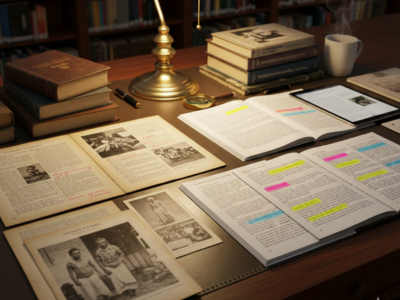
Articles
This section features curated articles from journals, magazines, and digital platforms that document tribal history, cultural life, and resistance movements, offering accessible insights for readers and researchers.
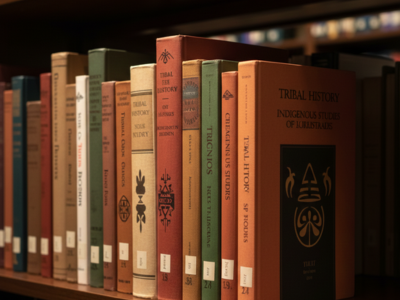
Books
This card highlights books and published works that provide in-depth historical, cultural, and biographical studies of tribal communities and leaders, preserving knowledge through detailed scholarship.

Research Papers
This section presents academic research papers and peer-reviewed studies that analyze tribal heritage, social structures, and resistance movements through rigorous scholarly methods.
Official records and scholarly works acknowledging his role in regional history.
Government and Academic References
Government Records and Regional Documentation Content
Various government records and regional administrative documents acknowledge the historical events associated with Pa Togan Sangma and the Garo resistance. Colonial-era reports, district gazetteers, and post-independence state documents reference the uprising as a significant episode in the history of the Garo Hills. In Meghalaya, governmental recognition through memorial initiatives and cultural programs further reinforces his role in regional history. These records serve as formal validation of tribal resistance movements and provide an institutional perspective on the impact of colonial encounters in indigenous regions.
Academic Research and Historical Studies
Pa Togan Sangma and the Rongrenggre uprising are discussed in academic research focusing on tribal resistance, colonial history, and indigenous governance in Northeast India. Scholars have analyzed the movement to understand patterns of community-led resistance, leadership rooted in tradition, and ethical approaches to conflict. University research papers, history journals, and doctoral studies often cite this uprising as an example of organized tribal response to colonial expansion, contributing valuable insights into indigenous political consciousness and cultural resilience.
Museums, Archives, and Educational Institutions
Museums, regional archives, and educational institutions in Meghalaya and Northeast India preserve references to Pa Togan Sangma through exhibits, archival materials, and curriculum content. These institutions present artifacts, narratives, and interpretive displays that contextualize the uprising within broader tribal history. By including his legacy in educational frameworks, they ensure that future generations understand the cultural, social, and historical significance of indigenous leadership and resistance movements.
Contemporary Recognition and Scholarly Discourse
Modern scholars, cultural historians, and tribal studies experts continue to reference Pa Togan Sangma in discussions on indigenous rights, identity, and self-determination. Conferences, seminars, and published works explore the long-term influence of his leadership on regional consciousness and tribal pride. This ongoing academic engagement highlights the relevance of his legacy beyond history, positioning it within contemporary debates on heritage preservation and indigenous empowerment.
Downloadables (PDFs, educational material)
Historical Overview (PDF)
A concise academic summary covering Pa Togan Sangma’s life, resistance movement, and historical impact.
Timeline & Battle Maps
Visual timelines and geographic references explaining key events leading to the Rongrenggre battle.
Student Learning Material
Simplified educational content designed for schools and colleges studying tribal history and indigenous movements.
External links to cultural & heritage institutions
Meghalaya State Archives
Official repository of historical records, colonial documents, and administrative references related to Meghalaya and tribal history.
Department of Art
Promotes preservation of indigenous culture, heritage sites, memorials, and traditional knowledge systems across the state.
North Eastern Hill University
Academic research institution with studies on tribal history, resistance movements, and indigenous identity in Northeast India.